Be yourself; Everyone else is already taken.
— Oscar Wilde.
This is the first post on my new blog. I’m just getting this new blog going, so stay tuned for more. Subscribe below to get notified when I post new updates.
Be yourself; Everyone else is already taken.
— Oscar Wilde.
This is the first post on my new blog. I’m just getting this new blog going, so stay tuned for more. Subscribe below to get notified when I post new updates.
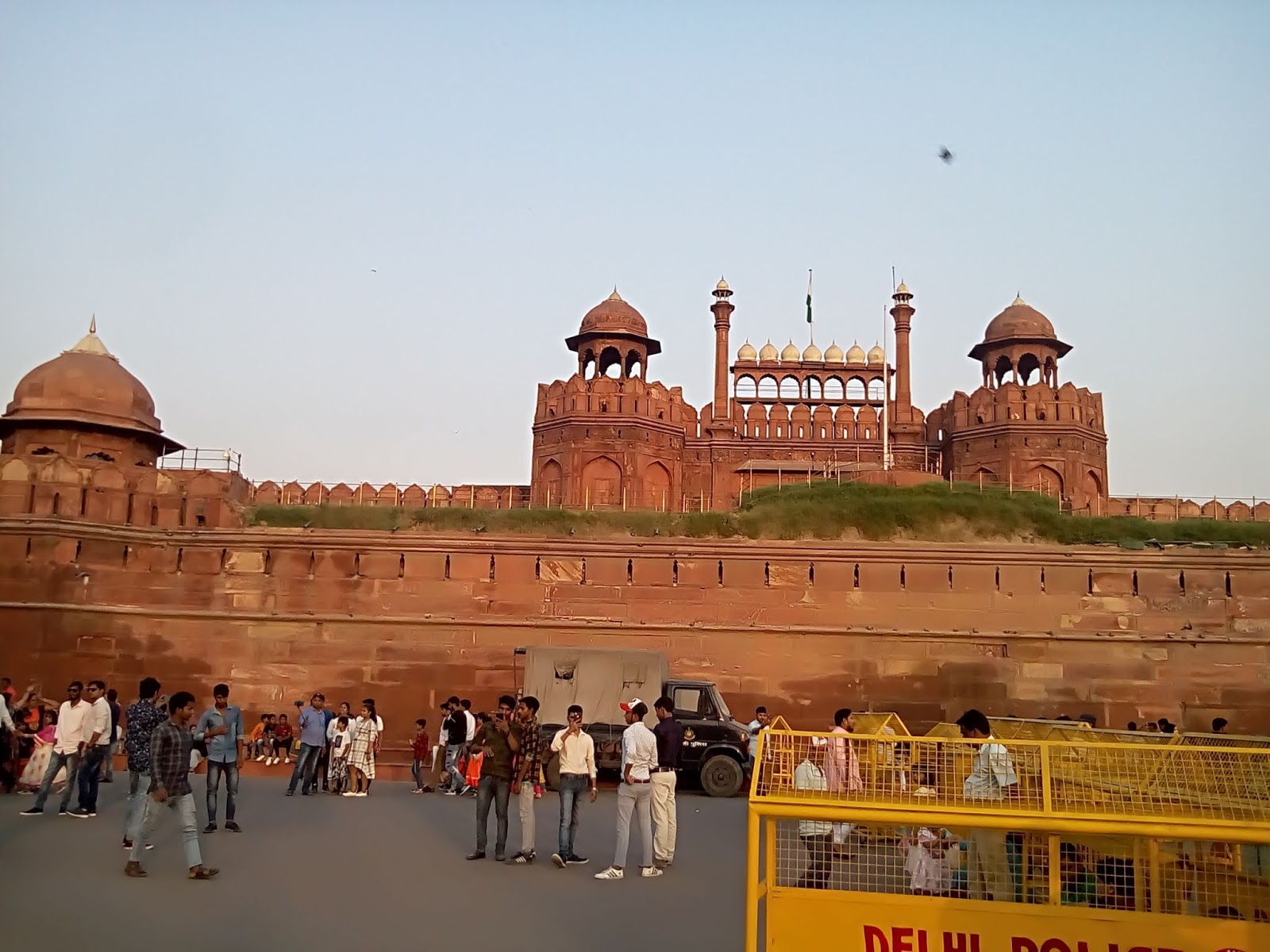
We all are interested to learn more about history,but many of us feel repellent when they have to write one page after another in the examination hall. After all,we have read about ‘Red Fort’ in books in our school and college lives,even nowadays its picture visible on the back of ₹500 note. When we read or hear the word ‘Red Fort’ or ‘Lal Qila’ then all at once the image of Lahori Gate comes in our mind. Red Fort is a historical fort in the city of Old Delhi in India. Ustad Ahmad Lahori,the chief architect of Taj Mahal,was also the architect of this fort. Its construction began on 12 May 1639 in the era of fifth Mughal Emperor Shah Jahan, and it took nearly nine years to be completed.
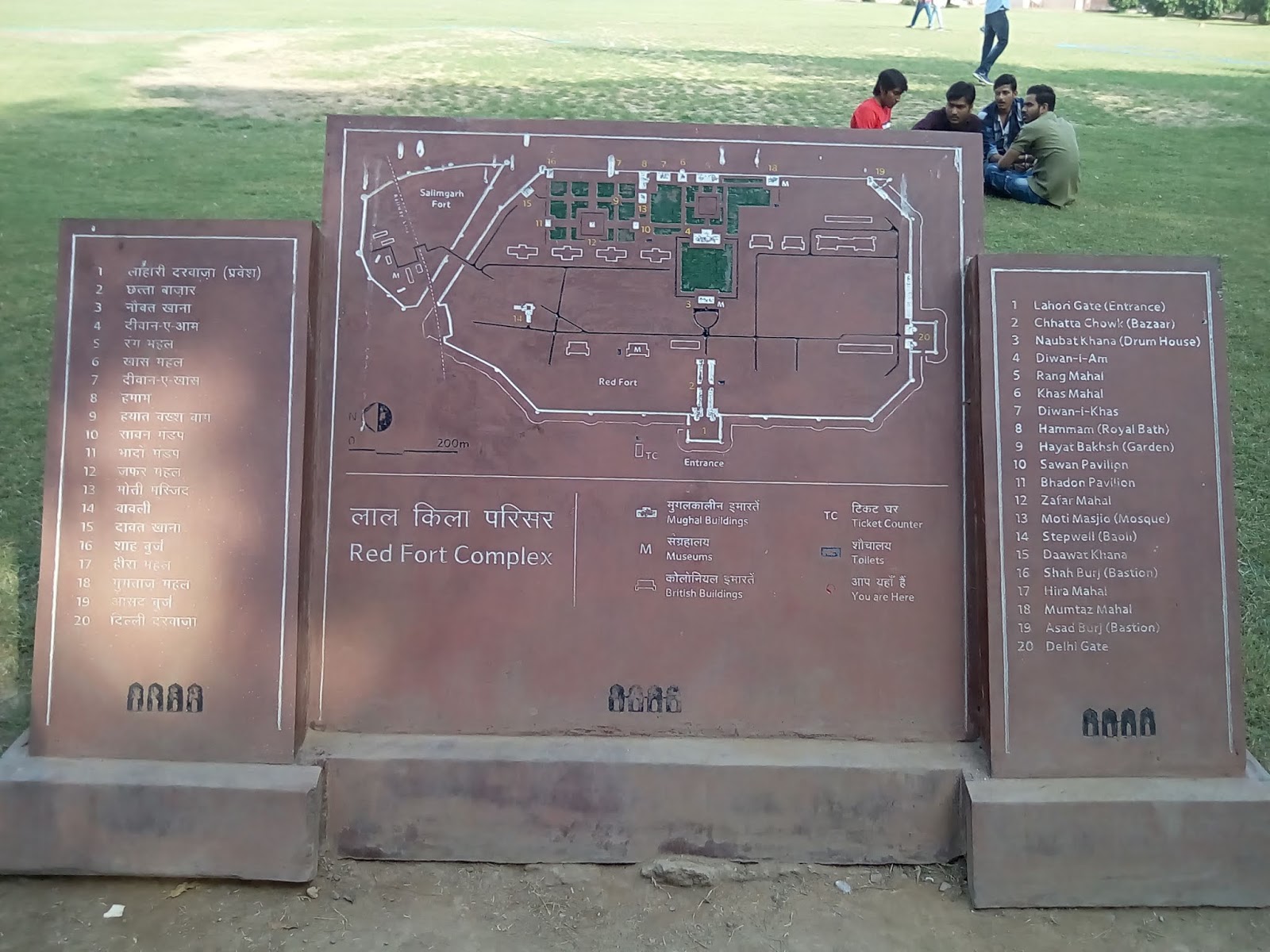
Nowadays it is a UNESCO World Heritage Site. Every year on 15th August the Prime Minister of India hoists the Indian tricolour flag at the main gate and delivers speech. Although the colour of the wall has become a little bit fade,but still today it has importance, and undoubtedly it’s a part of India’s pride.

The Iron Pillar is located at Mehruli in Old Delhi. It is a part of Qutub complex.As per the Iron Pillar inscriptions, Iron pillar was built by Gupta King Chandragupta II. However, according to some experts it might be during the reign of King Samudragupta when Iron Pillar was built.
The exact construction year of the Iron Pillar is still under research. As per the inscriptions of Iron Pillar in Sanskrit which states the name “Chandra” in it, it was built during the Gupta Dynasty.
According to Percy Brown, this pillar is a remarkable tribute to the genius and manipulative dexterity of the Indian worker. Dr. Vincent Smith says, such a pillar would have been an impossibility in the largest foundries of the world.
The height of the Iron Pillar from top to bottom, is 7.21 m (23ft 8in), 1.12 m (3ft 8in) of which is below the ground.The pillar’s lower diameter is 420 m.m (17 in), and its upper diameter is 306 m.m (12 in). It is estimated to weigh more than six tonnes.
The Iron Pillar that stands in the countryard of the Qutub complex in Old Delhi is a major tourist attraction. This metallurgical marvel of ancient India has been studied by archaeologists, metallurgists, technologists, scientists, electrochemists and engineers for a long time. This pillar, made of wrought iron, is unique in the annals of metallurgy and is a wonderful example of the metallurgical skill of ancient Indians.
We all are interested to learn more about history,but many of us feel repellent when they have to write one page after another in the examination hall. After all,we have read about ‘Red Fort’ in books in our school and college lives,even nowadays its picture visible on the back of ₹500 note. When we read or hear the word ‘Red Fort’ or ‘Lal Qila’ then all at once the image of Lahori Gate comes in our mind. Red Fort is a historical fort in the city of Old Delhi in India. Ustad Ahmad Lahori,the chief architect of Taj Mahal,was also the architect of this fort. Its construction began on 12 May 1639 in the era of fifth Mughal Emperor Shah Jahan, and it took nearly nine years to be completed.
Nowadays it is a UNESCO World Heritage Site. Every year on 15th August the Prime Minister of India hoists the Indian tricolour flag at the main gate and delivers speech. Although the colour of the wall has become a little bit fade,but still today it has importance, and undoubtedly it’s a part of India’s pride.
This is an example post, originally published as part of Blogging University. Enroll in one of our ten programs, and start your blog right.
You’re going to publish a post today. Don’t worry about how your blog looks. Don’t worry if you haven’t given it a name yet, or you’re feeling overwhelmed. Just click the “New Post” button, and tell us why you’re here.
Why do this?
The post can be short or long, a personal intro to your life or a bloggy mission statement, a manifesto for the future or a simple outline of your the types of things you hope to publish.
To help you get started, here are a few questions:
You’re not locked into any of this; one of the wonderful things about blogs is how they constantly evolve as we learn, grow, and interact with one another — but it’s good to know where and why you started, and articulating your goals may just give you a few other post ideas.
Can’t think how to get started? Just write the first thing that pops into your head. Anne Lamott, author of a book on writing we love, says that you need to give yourself permission to write a “crappy first draft”. Anne makes a great point — just start writing, and worry about editing it later.
When you’re ready to publish, give your post three to five tags that describe your blog’s focus — writing, photography, fiction, parenting, food, cars, movies, sports, whatever. These tags will help others who care about your topics find you in the Reader. Make sure one of the tags is “zerotohero,” so other new bloggers can find you, too.

 Gather Gyan